Miyabi Knives: Complete Brand Guide & Best Picks 2026
QUICK ANSWER
Yes — Miyabi knives are genuinely good, and although the brand belongs to Germany's Zwilling J.A. Henckels, every Miyabi is made in Seki, Gifu Prefecture, Japan. The verdict splits by line: the SG2 lines (5000MCD, Artisan) are among the best production knives you can buy, while the Kaizen and Koh lines face strong competition at their prices — and no Miyabi comes with free sharpening.
Miyabi is Zwilling's Japanese-made line: forged and hand-finished in Seki, and treated with the brand's CRYODUR ice-hardening process. In the 5000MCD and Artisan lines that process is paired with SG2 powder steel at 63 HRC — exceptional edge retention, but hard enough that frozen food or bone will chip it. Match the line to how you actually cook and the brand rewards you; buy on the name alone and you can overpay at the entry end.
- Made by / where
- Zwilling J.A. Henckels — made in Seki, Gifu Prefecture, Japan
- Steel
- SG2 powder steel (63 HRC) in top lines; VG-10 and FC61 below
- Signature
- CRYODUR ice-hardening, 101-layer Damascus, 9.5-12° hand-honed edge
- Best for
- Buyers who want SG2 edge retention with Zwilling warranty backing
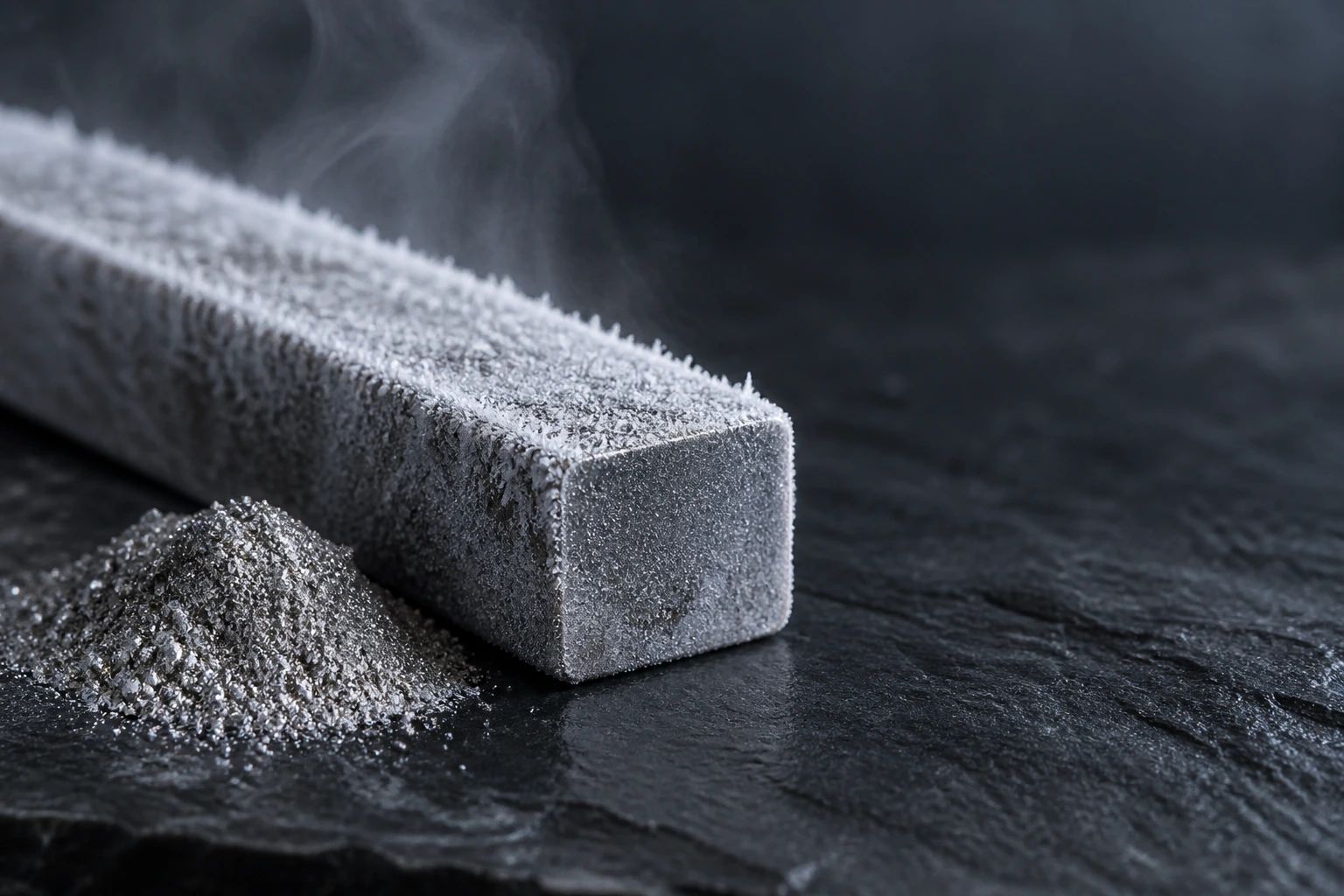
Table of Contents
TL;DR — are Miyabi knives good, and where are they made?
Yes, Miyabi knives are genuinely good — and although the brand belongs to Germany's Zwilling J.A. Henckels, every Miyabi is made in Seki, Gifu Prefecture, Japan. The blades are forged there, ice-hardened with Zwilling's CRYODUR process, and hand-finished by Japanese craftspeople. Unlike many "Japanese-style" knives sold in the West, the country of manufacture here is not a marketing technicality.
Treat "is Miyabi good?" as four separate questions, because the answer changes by line:
- 5000MCD and Artisan (SG2, 63 HRC) — yes, without reservation. SG2 powder steel at this hardness gives some of the longest edge retention available in a production knife, and the 101-layer Damascus is arguably the most beautiful in the category.
- Kaizen II (VG-10, 60-61 HRC) — good, but this is a crowded price bracket. Compare it against Shun Classic before you commit.
- Koh (FC61, 57-58 HRC) — softer, more forgiving and easy to live with, but priced against strong budget rivals such as Tojiro DP.
The honest caveats: there is no free sharpening service (Shun offers one for life), SG2 at 63 HRC can chip on frozen food or bone, and Zwilling's brand premium means you pay more than you would with a small artisan maker. If steel names are what is holding you up, our guide to Japanese knife steels explains what SG2, VG-10 and FC61 actually mean in the hand — and our Japanese knife brand comparison ranks Miyabi against every other major label.
Miyabi Series Comparison
| Series | Core Steel | Layers | HRC | Handle | Price Range | Best For |
|---|---|---|---|---|---|---|
| 5000MCD (Birchwood) | SG2 MicroCarbide | 101-layer Damascus | 63 | Birchwood + micarta | $200-$400 | Premium performance + aesthetics |
| Artisan | SG2 MicroCarbide | 101-layer Damascus | 63 | Reddish birch | $180-$350 | SG2 at slightly lower cost |
| Kaizen II | VG-10 | 65-layer Damascus | 60-61 | PakkaWood D-shape | $80-$180 | Mid-range entry into Miyabi |
| Koh | FC61 stainless | None (single) | 57-58 | Ash wood | $50-$100 | Budget-friendly Miyabi |
The steel column is the column that matters. If SG2, VG-10 and FC61 do not yet mean anything to you, read our Japanese steel types guide first — the jump from FC61 to SG2 is a bigger real-world difference than the jump in Damascus layer count.
5000MCD (Birchwood)
The Miyabi 5000MCD is the brand's flagship and the knife that defines Miyabi's reputation. SG2 (Super Gold 2) is a micro-carbide powder steel — produced by atomizing molten steel into fine particles, resulting in an extremely uniform grain structure. This translates to exceptional edge retention, fine edge geometry, and outstanding corrosion resistance.
The 101-layer "flower" Damascus pattern is one of the most visually striking in the production knife world. The birchwood handle with integrated micarta bolster provides both beauty and moisture resistance. Miyabi hand-hones its blades to 9.5-12° per side depending on the line — a narrower factory edge than most Western-style competitors, and sharper out of the box than nearly anything at the price.
Artisan
The Miyabi Artisan uses the same SG2 steel and 101-layer construction as the 5000MCD but with a reddish birch handle at a slightly lower price point. The blade performance is identical — the difference is purely aesthetic and ergonomic. For buyers who prioritize cutting performance over the Birchwood handle, the Artisan offers the best value in Miyabi's SG2 lineup.
Kaizen II
The Miyabi Kaizen II is the mid-range gateway to Miyabi. VG-10 steel with 65-layer Damascus delivers solid performance — comparable to Shun Classic. The D-shaped PakkaWood handle is comfortable for extended use. At $80-180, the Kaizen competes directly with Shun Classic but typically offers thinner blade geometry.
Koh
The Miyabi Koh is the entry-level series designed for everyday cooking. FC61 stainless steel is softer (57-58 HRC) and more forgiving, making these knives easier to maintain for casual cooks. The ash wood handle gives them a clean, Scandinavian aesthetic. At $50-100, the Koh competes with Tojiro DP on price while offering Miyabi's CRYODUR treatment.
Top 5 Miyabi Picks for 2026
1. Miyabi 5000MCD Gyuto 200mm — ~$250
The definitive Miyabi knife. SG2 steel at 63 HRC provides some of the longest edge retention in the production knife world. The 101-layer flower Damascus is breathtaking. The birchwood handle is a statement piece. If you can afford it, this is the knife to buy.
2. Miyabi 5000MCD Santoku 180mm — ~$230
The same SG2 excellence in a santoku format. The flat cutting edge excels at push-cutting vegetables and the wider blade doubles as a scoop. An ideal choice for home cooks who prefer the santoku profile.
3. Miyabi Artisan Gyuto 200mm — ~$200
Identical SG2 blade to the 5000MCD at a lower price. The reddish birch handle has its own appeal. This is the rational buyer's choice — full SG2 performance without paying the Birchwood handle premium.
4. Miyabi Kaizen II Gyuto 200mm — ~$130
The best entry point into Miyabi. VG-10 steel with 65-layer Damascus delivers beautiful aesthetics and strong cutting performance. Competes directly with Shun Classic but with thinner geometry and a slightly lower price.
5. Miyabi 5000MCD Shotoh 130mm — ~$150
The perfect complement to a Miyabi gyuto. SG2 steel in a utility knife format for precision work, peeling, and small tasks. The 101-layer Damascus on a smaller blade is particularly striking.
Is Miyabi Worth It? An Honest Assessment
The short answer: the 5000MCD line is exceptional; lower lines face stiff competition.
What Miyabi does well:
- SG2 steel in the 5000MCD/Artisan is genuinely among the best production knife steels
- 101-layer flower Damascus pattern is arguably the most beautiful in the industry
- CRYODUR ice-hardening is a proven process that measurably improves steel performance
- Hand-honed to 9.5-12° per side depending on the line — a narrower factory edge than most Western-style competitors
- Zwilling's global warranty and customer service infrastructure
Where Miyabi falls short:
- No free sharpening service (unlike Shun's lifetime offer)
- The Koh series is overpriced relative to Tojiro DP at the same price point
- SG2 steel at 63 HRC can chip if used on frozen food or bone — requires careful use
- Zwilling's marketing premium means you pay more for the brand than with artisan makers
Our verdict: The Miyabi 5000MCD is one of the best production knives money can buy — the SG2 steel, 101-layer Damascus, and birchwood handle create a knife that performs and looks outstanding. For the Kaizen and Koh lines, competitors like Shun (free sharpening) and Tojiro (better value) are worth comparing.
Miyabi vs Shun: Quick Comparison
| Feature | Miyabi (5000MCD) | Shun (Classic) |
|---|---|---|
| Manufacturer | Zwilling / Seki (Japan) | Kai Corporation (Japan) |
| Core steel | SG2 MicroCarbide (63 HRC) | VG-MAX (60-61 HRC) |
| Damascus layers | 101 | 34 |
| Edge angle | 9.5-12° per side (varies by line) | 16° per side |
| Handle | Birchwood + micarta | PakkaWood D-shape |
| Price (8" Chef) | ~$250 | ~$150 |
| Free sharpening | No | Yes (lifetime) |
| Best for | Superior steel, refined cutting | Value, warranty, availability |
Bottom line: Miyabi 5000MCD wins on pure cutting performance — harder steel, thinner geometry, and a narrower factory edge across its whole published range (9.5-12° per side against Shun Classic's 16°). Shun Classic wins on total ownership experience — free sharpening, wider availability, and a lower price. Both are made in Seki, Japan. Your choice depends on whether you prioritize performance or convenience.
About Miyabi Knives
Miyabi represents the pinnacle of Japanese-German knife engineering — combining Zwilling's 290+ years of cutlery expertise with Seki's 800-year blade-forging tradition. The result is knives that deliver some of the hardest, sharpest edges in the production knife world, wrapped in stunning Damascus aesthetics and premium handle materials.
The name "Miyabi" (雅) means "elegance" in Japanese — and these knives deliver on that promise. Whether you choose the flagship 5000MCD or the entry-level Koh, every Miyabi knife is forged in Seki and finished by hand.
Brand History: Zwilling Meets Seki
Miyabi is a brand of Zwilling J.A. Henckels, the German cutlery company founded in 1731, and its knives are produced at Zwilling's own operation in Seki, Gifu Prefecture. Zwilling's manufacturing relationship with Seki predates the Miyabi brand itself. We have not been able to verify the year the Seki facility came under Zwilling ownership, so we do not put a date on it here — what is not in question is where the knives are made.
The Miyabi line launched to target premium consumers who wanted authentic Japanese cutting performance with Western ergonomics and brand trust. Unlike many "Japanese-style" knives made outside Japan, every Miyabi knife is genuinely manufactured in Seki by Japanese craftspeople.
Miyabi's key innovation is the CRYODUR process — a proprietary ice-hardening treatment that cools blades to -60°C after forging, then tempers them at multiple temperatures. This refines the steel's crystal structure, improving hardness, flexibility, and corrosion resistance simultaneously. Combined with SG2 powder steel, this process allows Miyabi to achieve 63 HRC — among the hardest production kitchen knives available.
Where to Buy Miyabi in Japan
Miyabi knives are available at a premium in Western markets, but visiting Japan offers significant savings and exclusive products.
Kappabashi Kitchen Town, Tokyo
Several shops in Tokyo's famous kitchen district carry the full Miyabi range. Prices are 20-30% below Western retail. Look for shops with dedicated Zwilling/Miyabi displays. Tax-free shopping available for tourists.
Before you go, it is worth seeing what buying on that street is actually like: we bought a knife from each of six Kappabashi specialists at around $150, then cut tomatoes, onions and daikon with all six. It is the only hands-on field test on this site, and it is the quickest way to calibrate shop pricing, service and steel choice before you spend Miyabi money.
Seki, Gifu Prefecture
Miyabi is manufactured in Seki, making this city the ideal destination for factory outlet pricing and exclusive products. The annual Seki Cutlery Festival (October) often features special Miyabi deals and limited editions.
Zwilling Flagship Stores
Zwilling operates flagship stores in major Japanese cities (Tokyo, Osaka) with the full Miyabi lineup, expert staff, and engraving services. These stores also carry Japan-exclusive Miyabi products not available overseas.