Guides · Shop maps · Field reports
Choose, buy and use a Japanese knife.
Independent guides from an editorial team in Tokyo, in four languages. We map 97 knife shops, museums and events in 13 areas of Japan.
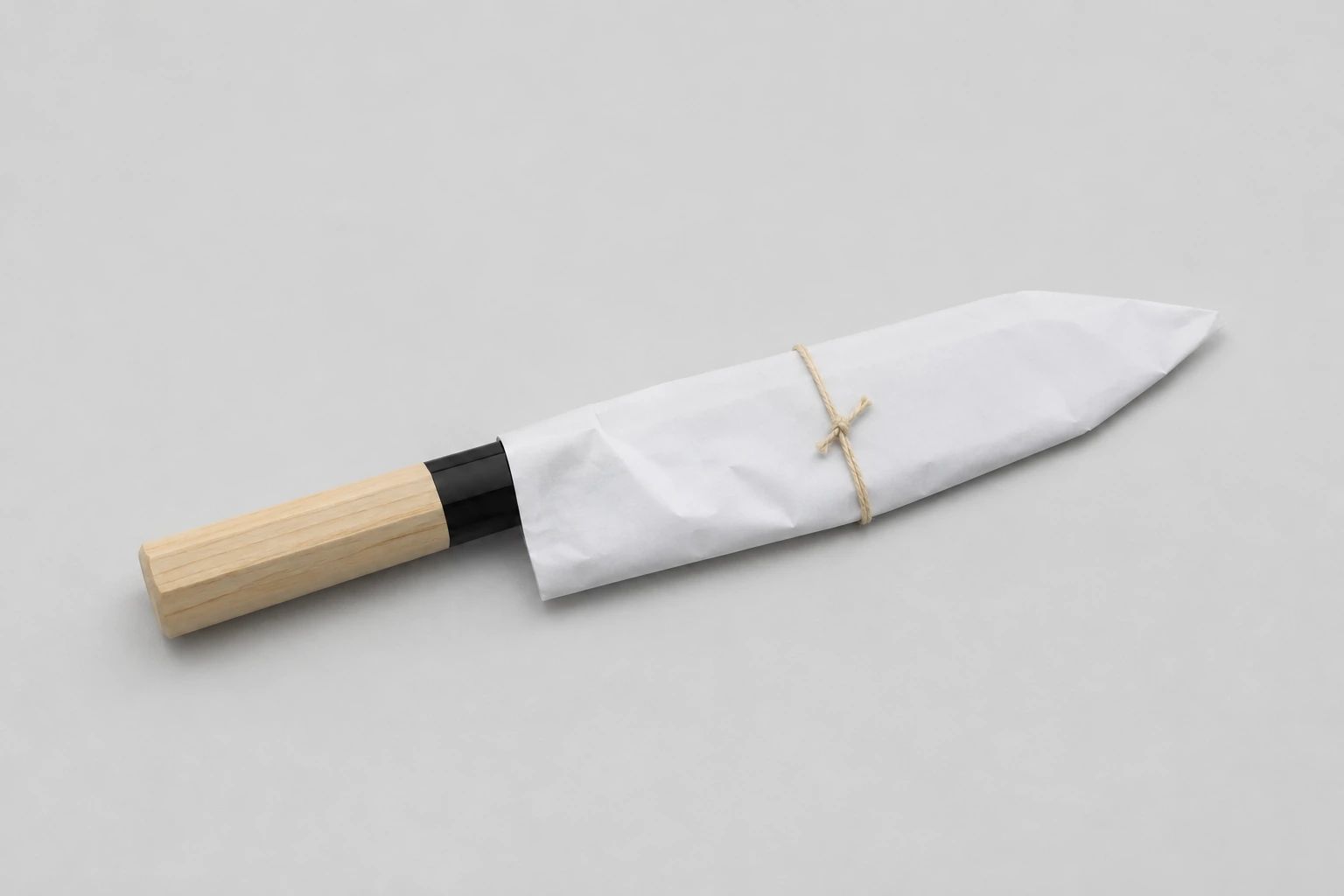
Start here
Where do you want to start?
Recently updated
Latest Articles
Knife Making in Kyoto: 5 Forging and Sharpening Experiences Compared (2026)
Make or sharpen a knife in Kyoto: Kanetaka’s forge, a Kameoka swordsmith, the Natural Whetstone Museum and MUSASHI EXP, compared by access, time, language and booking.
Sakai Traditional Crafts Museum & Knife Museum: Visit Guide
Sakai Traditional Crafts Museum (Sakai Densho-kan): free, 10:00–17:00. Floors, Sakai Knife Museum CUT, knives of 24 Sakai firms, sharpening demos, access.
Seki Kaji Denshokan: Closure, Sword Forging Days and Access
Seki Kaji Denshokan, the Seki Traditional Swordsmith Museum, is closed until 31 March 2027, but sword forging shows go on: dates, times, fees and access.
Japanese Knife Finishes: Kurouchi, Kasumi, Nashiji, Tsuchime, Migaki and Damascus Explained
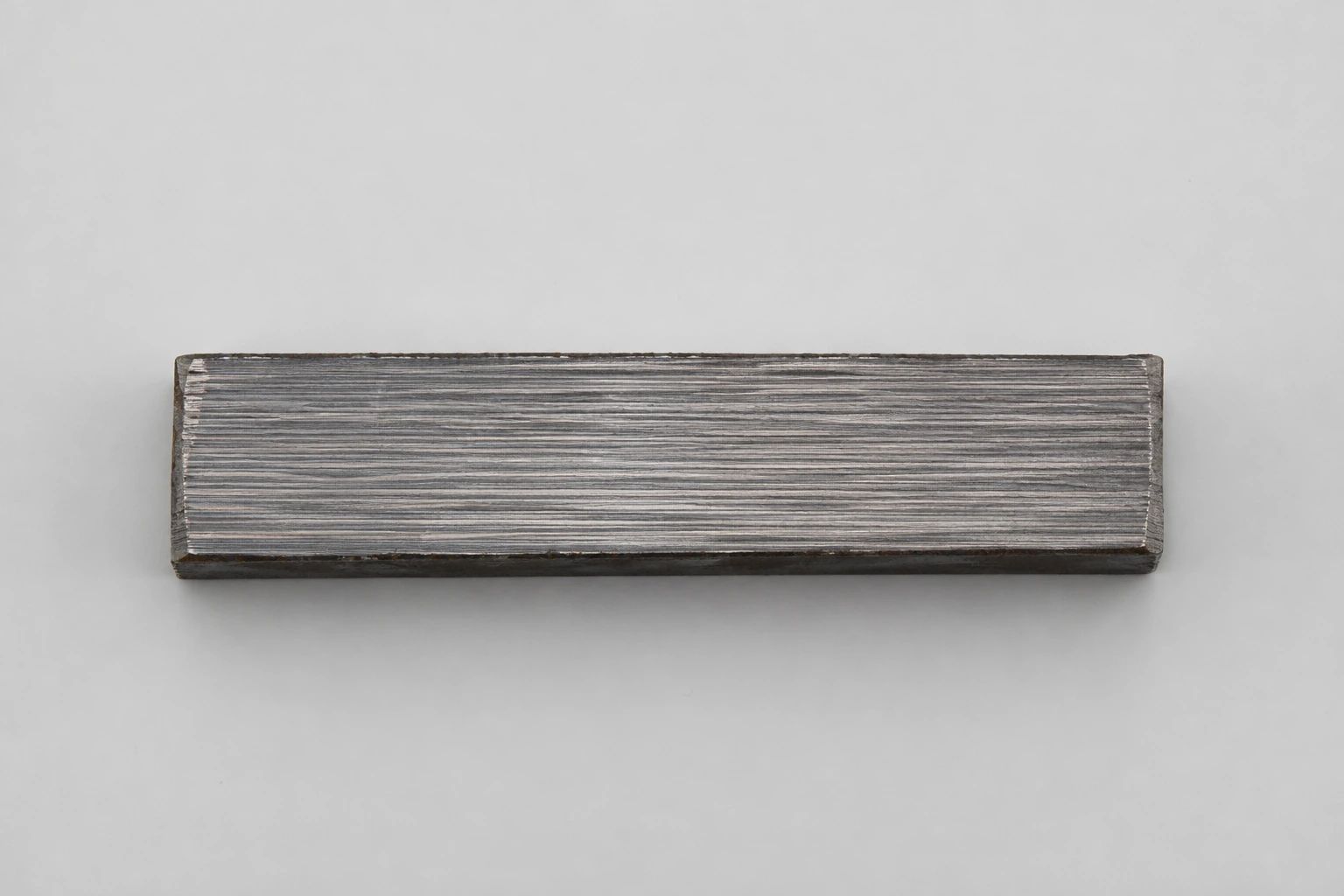
Japanese knife finishes explained: kurouchi, kasumi, nashiji, tsuchime, migaki and Damascus. How each is made, how it ages, and what it means for rust.
Takefu Knife Village Guide: Hours, Classes, Access (2026)
Takefu Knife Village, Echizen (Fukui): free workshop viewing, 9:00–17:00, 2026 closed days, knife-making class prices and taxi times from the Shinkansen.
VG-10 Steel (VG10): Composition, HRC, Rust and VG-10 vs SG2, VG-MAX, Ginsan
VG-10 (VG10) is Takefu's stainless knife steel: 15% chromium, HRC 60+ at the mill. Hardness as sold, rust, sharpening, and VG-10 vs SG2, VG-MAX and Ginsan.
Explore by Type
Japanese Knife Types
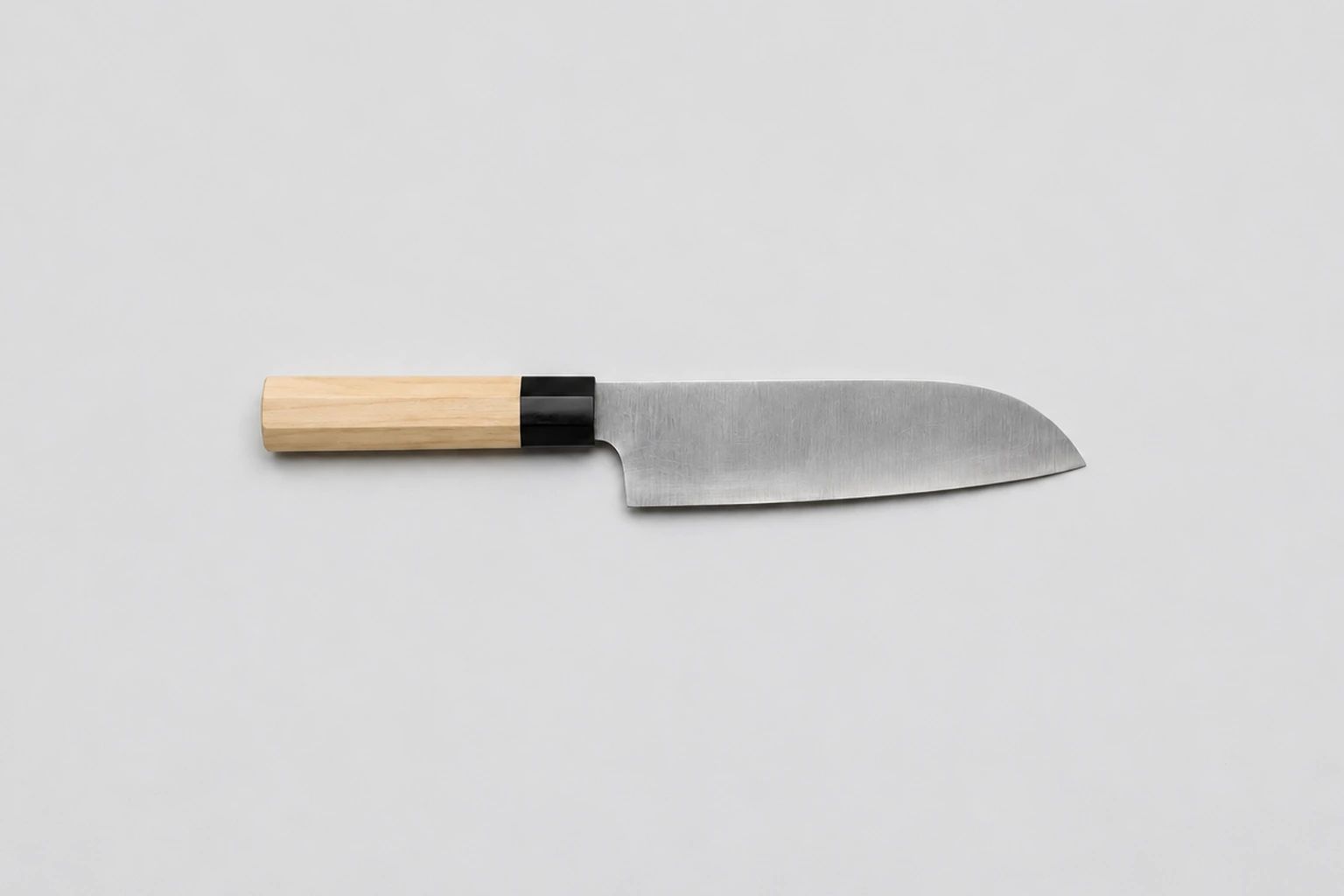
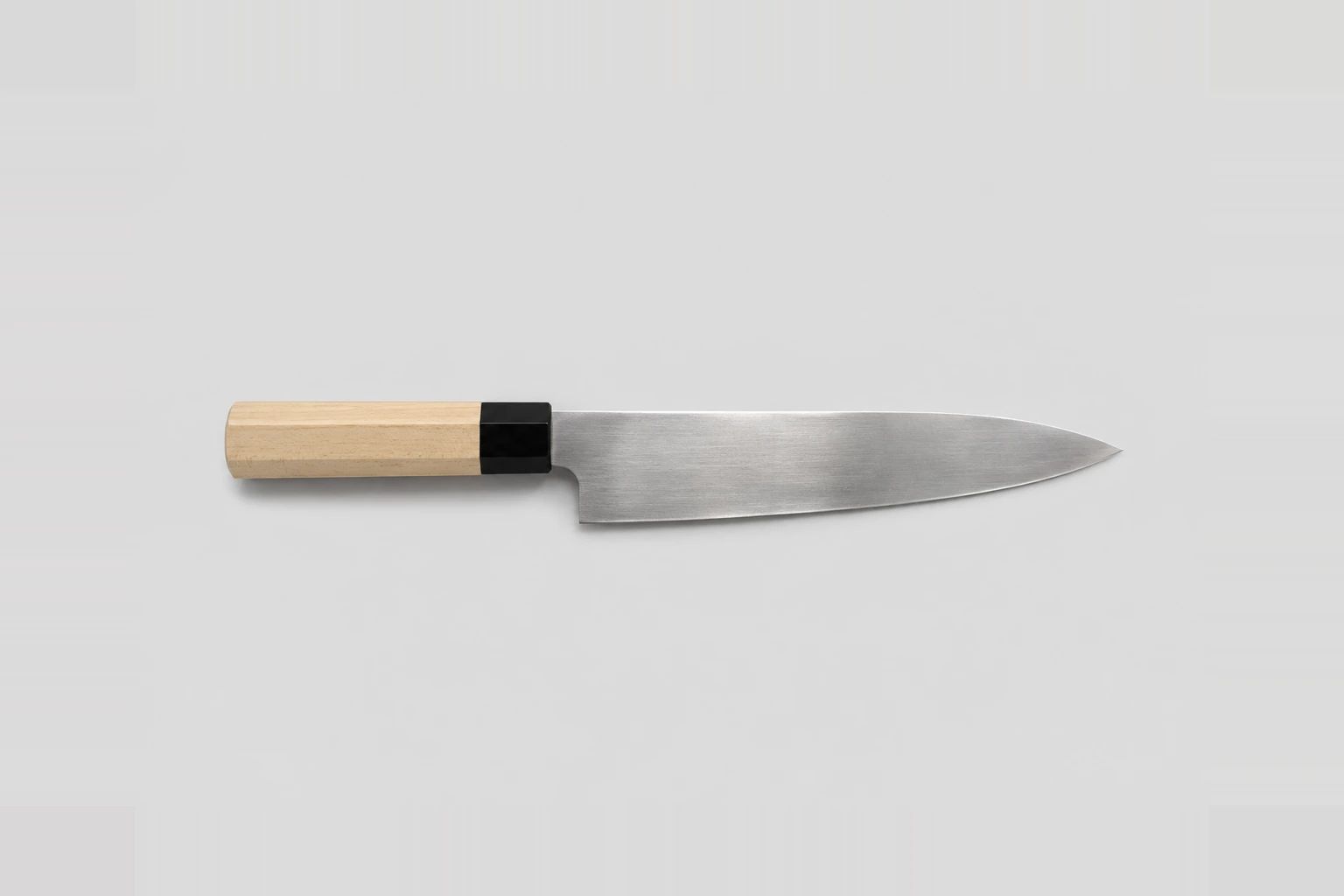
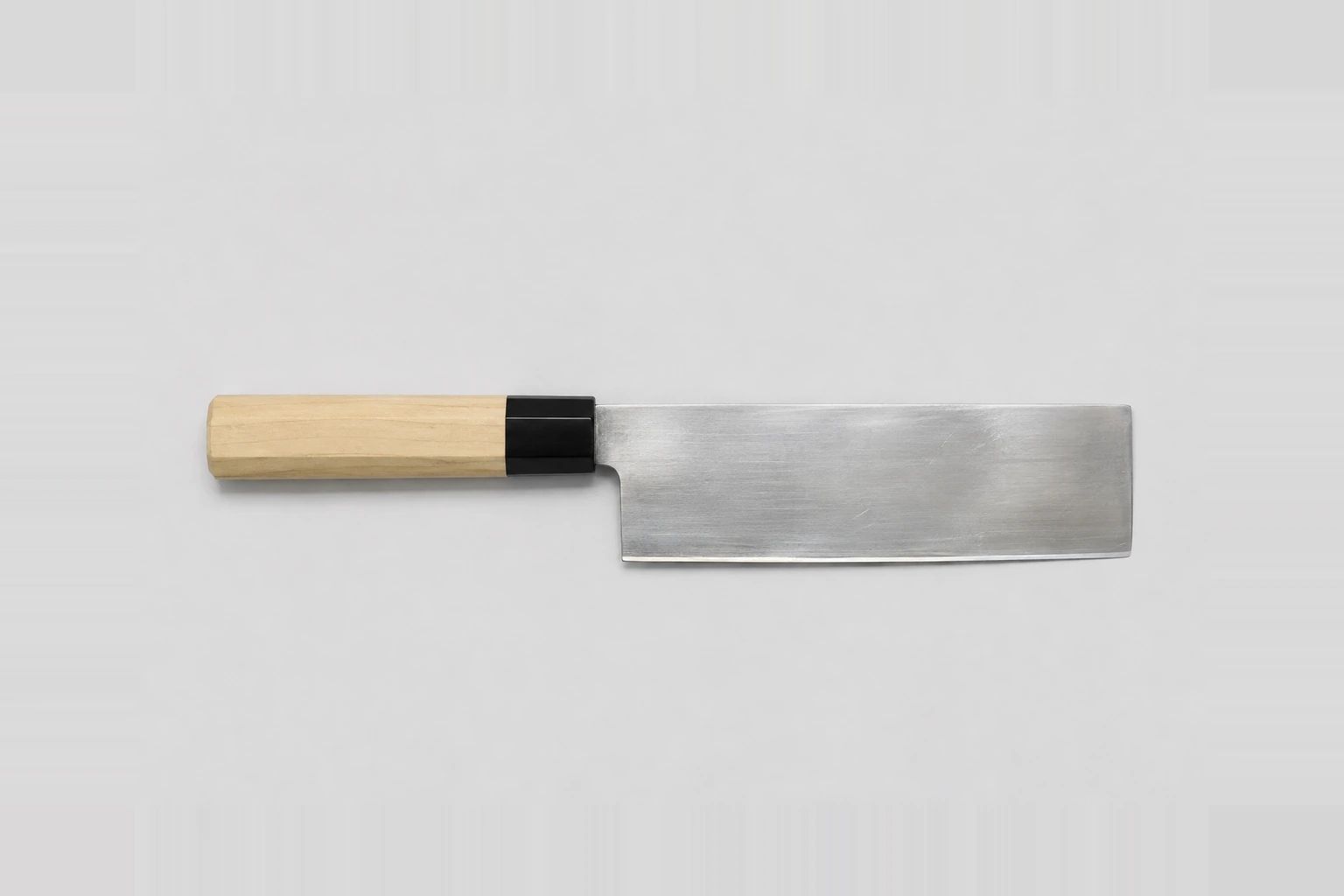
Buy Knives in Japan
Shop Map
Find the best knife shops across Japan's legendary blade-making regions.
Why Trust Us